
- SOC 2 Readiness
- 24/7 Security Monitoring
- Canadian-Based SOC
Mandatory for All Alberta Health Information Custodians
Alberta HIA Compliance ServicesHealth Information Act - Protecting Patient Privacy
Ensure your organization meets all Alberta Health Information Act requirements for collecting, using, and safeguarding individually identifying health information.
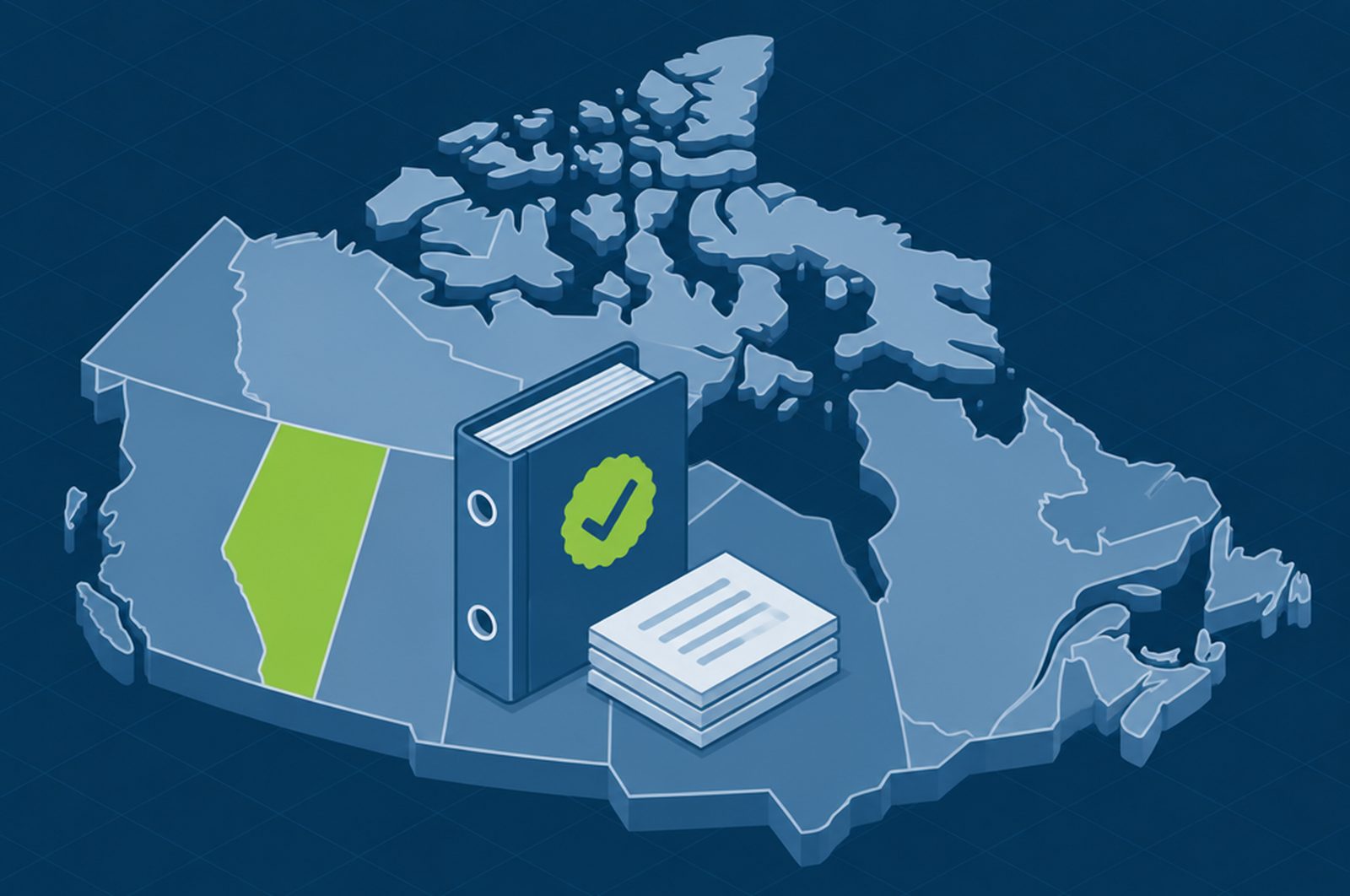
HIA, not HIPAA — the mistake that wastes Alberta clinics' money
HIPAA is US federal law. It does not govern an Alberta clinic serving Alberta patients — the Health Information Act does, enforced by the OIPC with its own Privacy Impact Assessment process, breach-notification duties, and prosecution history. If a vendor is selling you "HIPAA compliance" in Alberta, they are solving the wrong problem. We scope both regimes when you genuinely serve US patients — but HIA comes first.
Netcare, EMRs, and Where Alberta Breaches Actually Happen
Most Alberta clinics run one of a handful of EMRs — TELUS Health Wolf or Med Access, QHR Accuro, Microquest Healthquest — and many connect to Alberta Netcare, the provincial electronic health record. Each of those systems and connections is something the HIA expects you to have assessed, safeguarded, and logged.
The breaches the OIPC investigates are rarely exotic: an affiliate looking up an ex-spouse in the EMR, a stolen unencrypted laptop, a fax to the wrong number, a billing contractor with more access than their role needs, credentials phished from a front-desk mailbox. Our assessments work from that enforcement history backwards — we test the controls OIPC investigators ask about, on the systems Alberta clinics actually run.
Running a community clinic? See our clinic-sized security program for Alberta medical practices →
Common triggers for an HIA engagement
Adopting or switching EMR systems (PIA required)
Adding a patient portal, online booking, or AI scribe
Connecting to or expanding Alberta Netcare access
An OIPC inquiry, complaint, or breach investigation
A privacy breach you need to assess for notification
Cyber-insurance renewal asking about health-privacy controls
Alberta HIA Key Requirements
Health Information Custodianship
- Custodian designation and duties
- Information manager agreements
- Affiliate authorization controls
Consent & Disclosure Rules
- Informed consent protocols
- Deemed consent provisions
- Research ethics board submissions
Administrative & Technical Safeguards
- Access control and authentication
- Encryption and secure transmission
- Audit trail and logging systems
Breach Notification & Reporting
- Breach risk assessment framework
- OIPC notification procedures
- Individual notification protocols
Our HIA Compliance Process
- 1Week 1-3
HIA Readiness Assessment
Conduct a thorough assessment of your health information practices, custodian responsibilities, and current safeguards against HIA requirements.- Custodian role identification
- Health information inventory
- Safeguard gap analysis
- Information manager review
- 2Week 4-7
Policy & Procedure Development
Develop HIA-compliant policies, consent procedures, information manager agreements, and breach response protocols.- Privacy policy development
- Consent form templates
- Information manager agreements
- Breach notification procedures
- 3Week 8-11
Safeguard Implementation
Deploy technical and administrative safeguards including access controls, encryption, audit logging, and secure communication channels.- Access control deployment
- Encryption implementation
- Audit logging configuration
- Secure messaging setup
- 4Ongoing
Training & Ongoing Compliance
Train all affiliates and staff on HIA obligations, conduct periodic compliance audits, and maintain documentation.- Staff and affiliate training
- Periodic compliance audits
- Documentation maintenance
- OIPC inquiry preparedness
Benefits of HIA Compliance
Regulatory Compliance
Patient Trust
Breach Prevention
Research Enablement
Operational Clarity
Cross-Provincial Readiness
Health Custodians We Serve
Hospitals & Health Authorities
Physicians & Medical Clinics
Pharmacies
Allied Health Professionals
Continuing Care & Seniors
Health Technology & EMR Vendors
Alberta HIA Compliance FAQs
Common questions about Alberta's Health Information Act and compliance requirements for health custodians
What is the Alberta Health Information Act (HIA)?
The Alberta Health Information Act (HIA) is provincial legislation that governs the collection, use, and disclosure of individually identifying health information by custodians in Alberta. Enacted in 2001, it establishes rules for health information custodians including physicians, pharmacists, Alberta Health Services, and other health care providers. The HIA is enforced by the Office of the Information and Privacy Commissioner (OIPC) of Alberta and sets out requirements for safeguards, consent, access, breach notification, and research use of health data.
Who is a custodian under Alberta's HIA?
Under the HIA, a custodian is a person or organization responsible for health information. Custodians include physicians, pharmacists, optometrists, dentists, chiropractors, midwives, registered nurses (when providing independent services), Alberta Health Services, Covenant Health, the Minister of Health, nursing homes, and other prescribed health service providers. Custodians may designate information managers to handle health information on their behalf, but the custodian retains overall responsibility for HIA compliance.
How does the HIA differ from Alberta PIPA?
While Alberta PIPA governs private sector personal information generally, the HIA specifically covers individually identifying health information held by health custodians. The HIA has stricter safeguard requirements, specific rules for research use of health data, detailed consent and disclosure provisions tailored to healthcare settings, and mandatory breach notification to the OIPC. Organizations like health technology vendors may be subject to both the HIA (as information managers) and PIPA for their non-health business information.
What are the HIA breach notification requirements?
Since August 31, 2018, section 60.1 of the HIA requires custodians to give notice of any breach of health information where there is a risk of harm to an individual — to the Information and Privacy Commissioner, to the Minister of Health, and to the affected individuals themselves. The risk-of-harm assessment must be documented even when you conclude notification is not required, and failing to report a notifiable breach is itself an offence under the Act.
When does the HIA require a Privacy Impact Assessment (PIA)?
Section 64 of the HIA requires custodians to prepare a Privacy Impact Assessment and submit it to the OIPC for review before implementing a new information system or administrative practice that collects, uses, or discloses individually identifying health information — or before making significant changes to an existing one. In practice that means a new or replacement EMR, a patient portal or online booking tool, an AI scribe, or a new connection to Alberta Netcare. We prepare PIAs structured to the OIPC's published requirements, including the data-flow mapping reviewers expect.
Is HIA the same as HIPAA?
No — and the distinction matters. HIPAA is a United States federal law and does not apply to an Alberta clinic serving Alberta patients. The statute that does is Alberta's Health Information Act, enforced by the OIPC, with its own PIA submission process, breach-notification duties, and prosecution history. Buying a "HIPAA compliance package" from a US-oriented vendor leaves your actual Alberta legal obligations unaddressed. If you also serve US patients or contract with US covered entities, both regimes need scoping — but HIA comes first.
Does the OIPC actually enforce the HIA?
Yes. Alberta has an active enforcement record, particularly for "snooping" — affiliates looking up records of family members, ex-partners, or public figures without a work purpose. Healthcare workers have been charged and fined under the HIA. Custodians are expected to have audit-log monitoring capable of detecting snooping, and OIPC investigations routinely examine whether those controls existed and were reviewed.
How long does Alberta HIA compliance take?
Achieving HIA compliance typically takes 10-14 weeks depending on your custodian type and current privacy posture. The process includes readiness assessment (2-3 weeks), policy and procedure development (3-4 weeks), safeguard implementation (3-4 weeks), and training with ongoing compliance setup (2-3 weeks). Smaller custodians such as solo physician practices may achieve compliance in 6-8 weeks, while large organizations like regional health authorities may require 4-6 months for comprehensive implementation.
Still Have Questions?
Our cybersecurity experts are here to help. Get personalized answers and a free security consultation.