- SOC 2 Readiness
- 24/7 Security Monitoring
- Canadian-Based SOC
Mandatory for All Alberta Public Bodies
Alberta FOIP Compliance ServicesFreedom of Information and Protection of Privacy Act
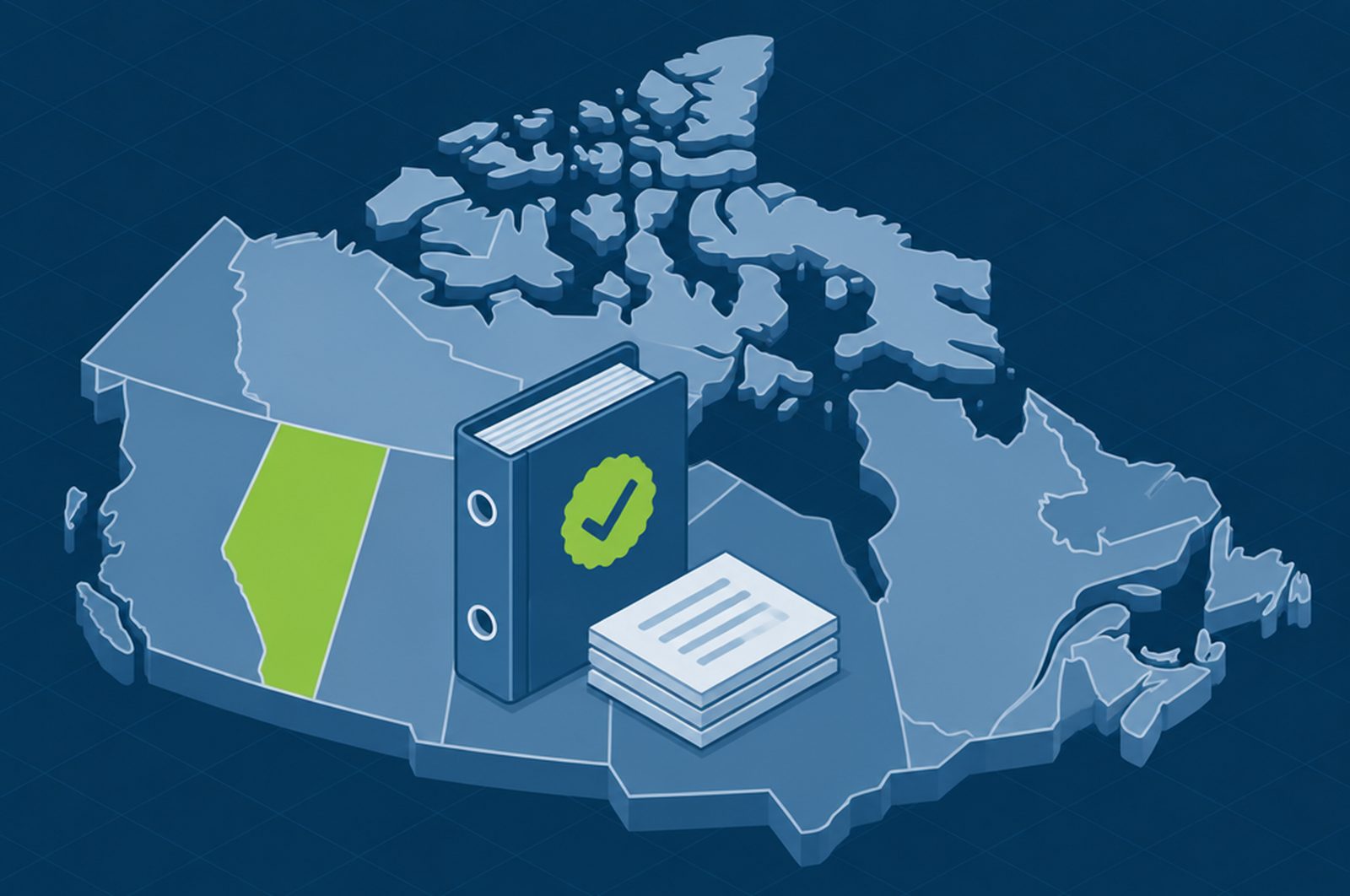
Ensure your public body meets all FOIP requirements for access to information, privacy protection, and Privacy Impact Assessments. Stay compliant with the Alberta OIPC.
FOIP Key Requirements
Access to Information
- Access request processing (30 days)
- Fee estimation and waivers
- Third-party notification procedures
Privacy Protection
- Collection limitation principles
- Use and disclosure restrictions
- Accuracy and retention controls
Security Safeguards
- Information security policies
- Role-based access controls
- Secure records management
Privacy Impact Assessments
- PIA development and submission
- OIPC PIA review coordination
- Ongoing PIA maintenance
Our FOIP Compliance Process
- 1Week 1-3
FOIP Compliance Assessment
Conduct a comprehensive assessment of your public body's information management practices, access request handling, and privacy protection against FOIP requirements.- Records management review
- Access request process audit
- Privacy practice assessment
- PIA inventory and review
- 2Week 4-7
Policy & Framework Development
Develop and update FOIP-compliant policies, procedures, delegation orders, and PIA processes for your public body.- FOIP policy development
- Delegation order creation
- PIA template and process design
- Records retention schedules
- 3Week 8-11
Implementation & Systems
Deploy access request management systems, privacy safeguards, records management improvements, and PIA workflows.- Access request tracking system
- Privacy safeguard deployment
- Records classification system
- PIA workflow automation
- 4Ongoing
Training & Ongoing Compliance
Train FOIP coordinators and staff, establish monitoring procedures, and maintain compliance through regular audits and updates.- FOIP coordinator training
- Staff awareness programs
- Annual compliance audits
- OIPC inquiry preparedness
Benefits of FOIP Compliance
Regulatory Compliance
Public Accountability
Privacy Protection
Efficient Request Handling
Risk Mitigation
Operational Excellence
Public Bodies We Serve
Provincial Government Ministries
Municipalities & Counties
School Boards & Districts
Post-Secondary Institutions
Health Authorities
Police Services & Law Enforcement
Alberta FOIP Compliance FAQs
Common questions about Alberta's Freedom of Information and Protection of Privacy Act and compliance requirements
What is Alberta's FOIP Act and who does it apply to?
The Freedom of Information and Protection of Privacy (FOIP) Act is Alberta's legislation governing access to information and privacy protection for public bodies. It applies to all Alberta government ministries, municipalities, school boards, post-secondary institutions, health authorities, police services, and other designated public bodies. The Act has two main purposes: providing individuals with a right of access to records held by public bodies, and protecting the privacy of individuals by controlling how public bodies collect, use, and disclose personal information.
How do access to information requests work under FOIP?
Under FOIP, any person can request access to records held by a public body by submitting a written request to the FOIP coordinator. The public body must respond within 30 calendar days (extendable to 60 days in certain circumstances). The public body may grant full access, partial access (with exceptions applied), or refuse access citing specific FOIP exceptions such as cabinet confidences, law enforcement information, third-party business interests, or personal information of another individual. Applicants can request a review by the OIPC if they disagree with the response.
When is a Privacy Impact Assessment required under FOIP?
Under Section 64 of FOIP, public bodies must submit a PIA to the OIPC before implementing any new program, system, or activity that involves the collection, use, or disclosure of personal information, or any change to an existing program that significantly affects personal information handling. This includes new IT systems, databases, online services, surveillance systems, and information-sharing arrangements. The OIPC reviews PIAs and may make recommendations for changes to protect privacy.
What are the consequences of FOIP non-compliance?
The OIPC can conduct investigations, issue binding orders requiring compliance, and publish investigation reports with recommendations. FOIP offences can result in fines of up to $10,000 for individuals. Common compliance issues include failing to respond to access requests within statutory timelines, improper collection or disclosure of personal information, failure to conduct required PIAs, and inadequate security safeguards. The OIPC regularly publishes investigation reports and orders that serve as precedent for all public bodies.
How long does FOIP compliance take to achieve?
Achieving comprehensive FOIP compliance typically takes 10-14 weeks depending on your public body's size and complexity. The process includes compliance assessment (2-3 weeks), policy and framework development (3-4 weeks), implementation and system deployment (3-4 weeks), and training with ongoing compliance setup (2-3 weeks). Smaller municipalities may achieve compliance in 8-10 weeks, while large provincial ministries or post-secondary institutions may require 4-6 months for comprehensive implementation across multiple departments and FOIP coordinators.
Still Have Questions?
Our cybersecurity experts are here to help. Get personalized answers and a free security consultation.