
Next-Generation Security Operations Platform
GuardsArm Managed Extended Detection& Response (MXDR)
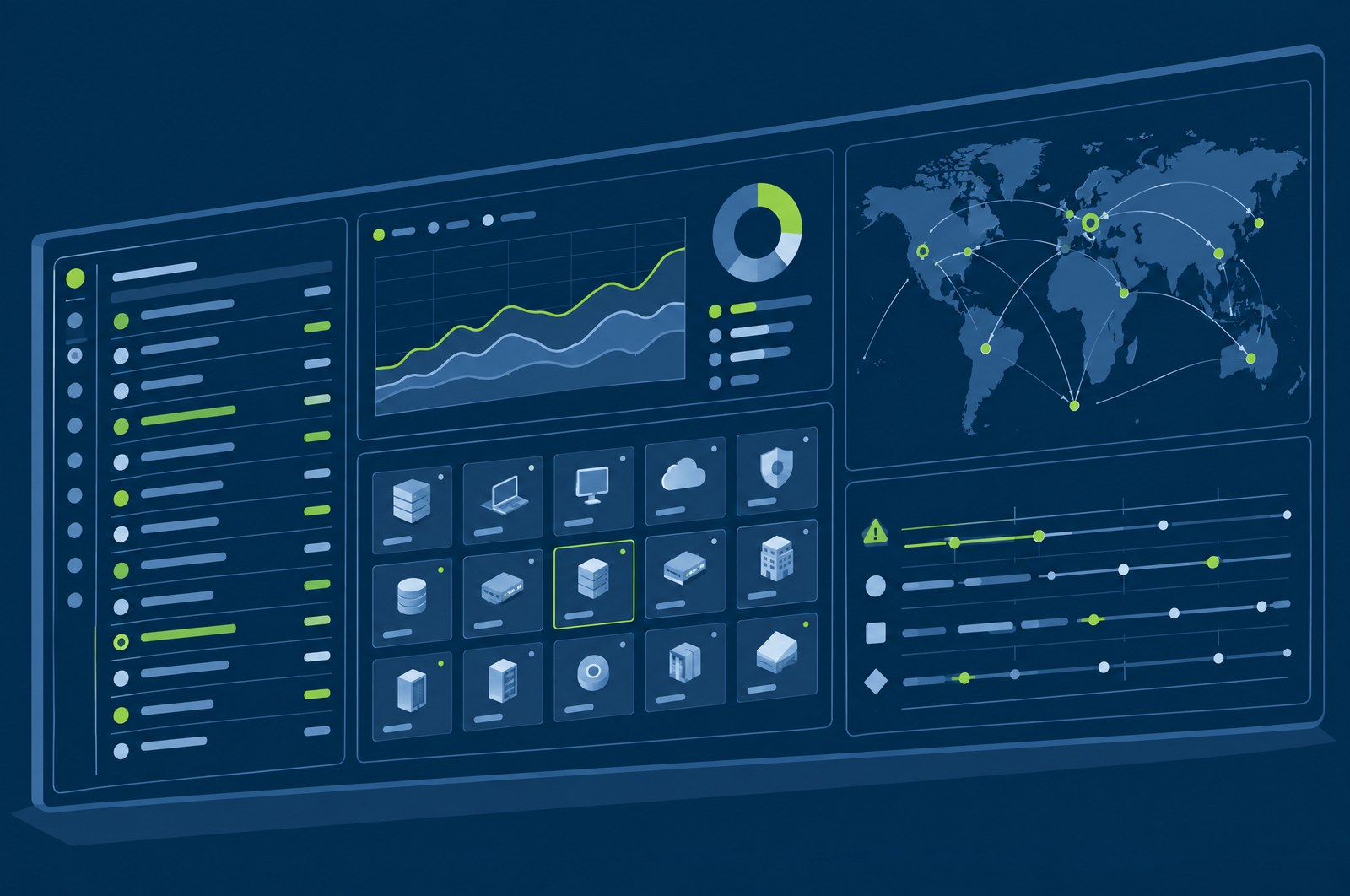
- Threat Analytics
- AI-Powered
- Detection and Response
- 24/7
- Coverage
- 360°
- Investigation
- Analyst
Next-Generation Security Operations
How the service is run. Timings, coverage hours and data location are agreed during scoping.
Detection and Response
Security Operations Team
Coverage Hours and Retention
Case Management
Extended Detection & Response Platform
GuardsArm MXDR provides comprehensive security coverage across your entire IT ecosystem with advanced threat detection, automated response, and expert human analysis.
Extended Detection Coverage
Comprehensive monitoring across endpoints, networks, cloud, email, and identity systems.
- Endpoint Detection and Response (EDR)
- Network Detection and Response (NDR)
- Cloud Security Monitoring
- Email Security Analysis
- Identity Threat Detection
AI-Powered Analysis
Advanced machine learning and behavioral analysis to detect sophisticated threats.
- Behavioral anomaly detection
- Machine learning algorithms
- Threat intelligence correlation
- Automated threat classification
Automated Response
Rapid automated containment and response to minimize threat impact.
- Automated threat isolation
- Playbook-driven responses
- Custom response workflows
- Integration with security tools
Expert Security Operations
Monitoring and analysis by senior security practitioners on our Canadian team.
- Tier 1, 2, 3 analysts
- Threat hunting operations
- Incident investigation
- Proactive threat identification
Detection Sources
Endpoints
Workstations, servers, and mobile devices
- Process monitoring
- File activity
- Registry changes
- Network connections
Network Traffic
East-west and north-south network communications
- Traffic analysis
- Protocol inspection
- Lateral movement detection
- Data exfiltration
Cloud Infrastructure
AWS, Azure, GCP, and multi-cloud environments
- API monitoring
- Configuration changes
- Access patterns
- Resource utilization
Identity Systems
Active Directory, LDAP, and identity providers
- Authentication events
- Privilege changes
- Access anomalies
- Account compromises
MXDR vs Traditional MDR
Traditional MDR
- Limited to endpoint monitoring
- Manual threat correlation
- Reactive response approach
- Limited automation capabilities
GuardsArm MXDR
- Extended detection across all environments
- AI-powered threat correlation
- Proactive threat hunting
- Advanced automation and orchestration
Why Choose GuardsArm MXDR
Experience the power of extended detection and response with measurable improvements in threat detection, response time, and security operations efficiency.
AI-Enhanced Detection
Machine learning algorithms detect sophisticated threats that traditional tools miss completely.
Rapid Response Automation
Automated response workflows reduce mean time to containment dramatically.
Extended Visibility
Comprehensive monitoring across endpoints, networks, cloud, email, and identity systems.
Expert Security Team
Monitoring and investigation by our security operations team, at the coverage hours agreed during scoping.
Proactive Threat Hunting
Continuous threat hunting to identify advanced persistent threats before damage occurs.
Cost-Effective Operations
Reduce security operations overhead while improving protection capabilities.
MXDR vs. Traditional Security Operations
| Security Aspect | Traditional Approach | GuardsArm MXDR |
|---|---|---|
| Detection Coverage | Endpoint-focused only | Extended across all domains |
| Threat Analysis | Rule-based detection | AI-powered behavioral analysis |
| Response Speed | Hours to manual response | Pre-approved containment; timings set in your agreement |
| Expertise | Internal team limitations | Our security analysts on your alerts |
| Threat Hunting | Reactive investigations | Proactive threat hunting |
| Cost Structure | High staffing overhead | Predictable managed service |
How the service is run
GuardsArm MXDR is run by our team around the clock, with response authority and timings agreed with you before go-live.
MXDR Security Operations Process
Our comprehensive MXDR process provides end-to-end security operations from data ingestion to threat recovery with AI-powered automation and expert human oversight.
Data Collection & Ingestion
Continuous collection of security telemetry from all sources across your infrastructure.
- Endpoint activity monitoring
- Network traffic analysis
- Cloud security logs
- Email security events
- Identity system monitoring
AI-Powered Analysis
Advanced machine learning algorithms analyze data for threats and anomalies.
- Behavioral pattern recognition
- Threat intelligence correlation
- Anomaly detection models
- Attack chain reconstruction
- Risk scoring algorithms
Threat Detection & Triage
Intelligent threat detection with automated prioritization and classification.
- Multi-vector threat identification
- Automated alert prioritization
- False positive reduction
- Threat actor attribution
- Impact assessment
Expert Investigation
Security analysts conduct thorough investigations using advanced tools and techniques.
- Deep forensic analysis
- Timeline reconstruction
- Evidence collection
- Root cause analysis
- Threat validation
Automated Response
Rapid automated containment and response actions to minimize threat impact.
- Automated threat isolation
- System quarantine
- User account protection
- Network segmentation
- Policy enforcement
Recovery & Hardening
System restoration and security posture improvement based on lessons learned.
- System restoration
- Security hardening
- Policy updates
- Control improvements
- Threat hunting tuning
Continuous Security Operations Excellence
GuardsArm MXDR provides continuous security operations with real-time monitoring, automated analysis and human oversight, at the coverage hours agreed during scoping.
Explainer
XDR, MDR and MXDR: which one do you need?
| XDR (self-run) | MDR | MXDR (GuardsArm) | |
|---|---|---|---|
| What you are buying | A platform (technology) | A service, usually built around endpoint telemetry | A platform plus the 24/7 team that runs it |
| Telemetry | Endpoint, identity, email, cloud, network, correlated | Mostly endpoint; some providers add identity | Endpoint, identity, email, cloud and network, correlated |
| Who watches it | Your team | The provider’s SOC | The provider’s SOC, 24/7 |
| Response | Your team triggers it | Provider contains on endpoints | Provider contains across layers: device, account, mailbox, cloud session |
| Good fit when | You have analysts on shift around the clock | Endpoints are the main concern and the estate is simple | You use Microsoft 365 or cloud heavily and lack 24/7 staff |
Shared responsibility
Who does what
| Task | GuardsArm | Your team |
|---|---|---|
| Run, update and secure the SIEM and XDR platform | GuardsArm | - |
| Write, test and tune detections | GuardsArm | Tell us what is normal for your business |
| Watch and triage alerts 24/7 | GuardsArm | - |
| Pre-approved containment (device, account, mailbox) | GuardsArm | Agree the list during onboarding |
| Disruptive actions (servers, executives, whole sites) | Recommend with evidence | Approve or decline |
| Remediation: patching, reimaging, configuration fixes | Guidance | Do it, or ask your IT provider |
| Connect new sources and keep agents deployed | Guide and verify | Grant access, deploy agents |
| Keep contacts and asset criticality up to date | Remind and check | Own it |
| Monthly reporting and service reviews | GuardsArm | Attend and decide |
| Escalation to full incident response | Hand over with the case evidence | Approve the engagement |
Walkthrough
The same service at 2 p.m., at 2 a.m. and on the worst day
Detect
An alert fires on a server: a new service installed by an unusual account
The platform links it to the account’s sign-in from a workstation that has never administered that server.TriageGuardsArm
The analyst checks whether this is planned work
Change tickets are not visible to us, so the analyst contacts your IT lead through the agreed channel with the evidence attached.DecideYour team
Your IT lead confirms or denies within the working day
If it was planned, the case is closed and the detection tuned so it does not fire on that change pattern again. If not, it becomes an incident.
Detect
Saturday night: credential dumping on a workstation
EDR records a tool reading passwords from memory. The same account then tries to log on to a file server.ContainGuardsArm, pre-approved
The workstation is isolated and the account disabled
Both actions were pre-approved for standard workstations and accounts. Two GuardsArm people approve the endpoint change. Neither needs to wait for Monday.EscalateYour on-call
Your on-call contact is phoned
The call explains what happened, what was done and what needs a decision now, such as whether to isolate the file server, which needs your approval.MondayYour team
A complete case record is waiting
Timeline, evidence, actions taken and the remediation steps: reimage the workstation, reset credentials used on it, review how the tool got there.
Recognise
Signs of a wider intrusion: several hosts, admin accounts, backup tampering
The case is raised to the highest severity and the escalation list is called until someone with authority answers.ContainGuardsArm and your team
Containment on a joint call
Pre-approved actions run immediately. Disruptive ones, like taking servers offline, are decided on the call with your incident lead.Hand overGuardsArm IR
Incident response takes over the investigation
Evidence already collected by the platform goes straight to the incident response team, so the investigation does not start from zero.
Interactive tool
Check your MXDR coverage
2. Your visibility across the MITRE ATT&CK tactics
Tick the sources on the left, or start with a preset. Not sure what you collect? Most organizations start with endpoint and identity logs.
- Initial AccessBlind spot
- ExecutionBlind spot
- PersistenceBlind spot
- Privilege EscalationBlind spot
- Defense EvasionBlind spot
- Credential AccessBlind spot
- DiscoveryBlind spot
- Lateral MovementBlind spot
- CollectionBlind spot
- Command and ControlBlind spot
- ExfiltrationBlind spot
- ImpactBlind spot
Indicative mapping. Visibility means the activity is recorded; detection also needs rules, tuning and someone watching.
Measuring the service
Six things worth tracking
Time to detect
Time to contain
Source health
ATT&CK coverage
Alert quality
Recommendations closed
MXDR: frequently asked questions
What is the difference between MXDR and MDR?
MDR is often built around endpoint telemetry. MXDR covers several layers (endpoint, identity, email, cloud and network) on a correlated platform, with a 24/7 team that can respond across all of them, for example isolating a device and revoking the same user’s cloud sessions together.
Whose platform does GuardsArm MXDR run on?
the GuardsArm detection platform, which GuardsArm builds and operates. Where your telemetry is stored is agreed during scoping. It ingests telemetry from the EDR, identity, email and cloud tools you already use.
What do we still have to do ourselves?
Approve disruptive actions, carry out remediation such as patching and reimaging (or have your IT provider do it), keep contacts and asset information current, and grant access when new sources are added. The responsibility table on this page sets out the split.
How do we measure whether MXDR is working?
Track time to detect and time to contain for real cases, the health of each log source, how much of the MITRE ATT&CK matrix your sources cover, and how many recommendations have been closed. Monthly reporting covers these.
Transform Your Security Operations with MXDR
Experience next-generation security operations with extended detection capabilities, automated analytics, human investigation, and response actions you approve in advance.
MXDR Assessment
Evaluate your current security posture and MXDR readiness
AI-Enhanced Platform
Automated correlation, with analysts reviewing what it finds
Expert Security Team
Monitoring and threat hunting by our security operations team
Questions? Call us directly: +1 (587) 821-5997