Compliance Automation Platforms: What They Do and Where They Stop
They collect evidence continuously and save real time. They do not make you compliant, and treating the dashboard as the goal is how organisations fail audits with everything green.
GuardsArm Team
Security Experts
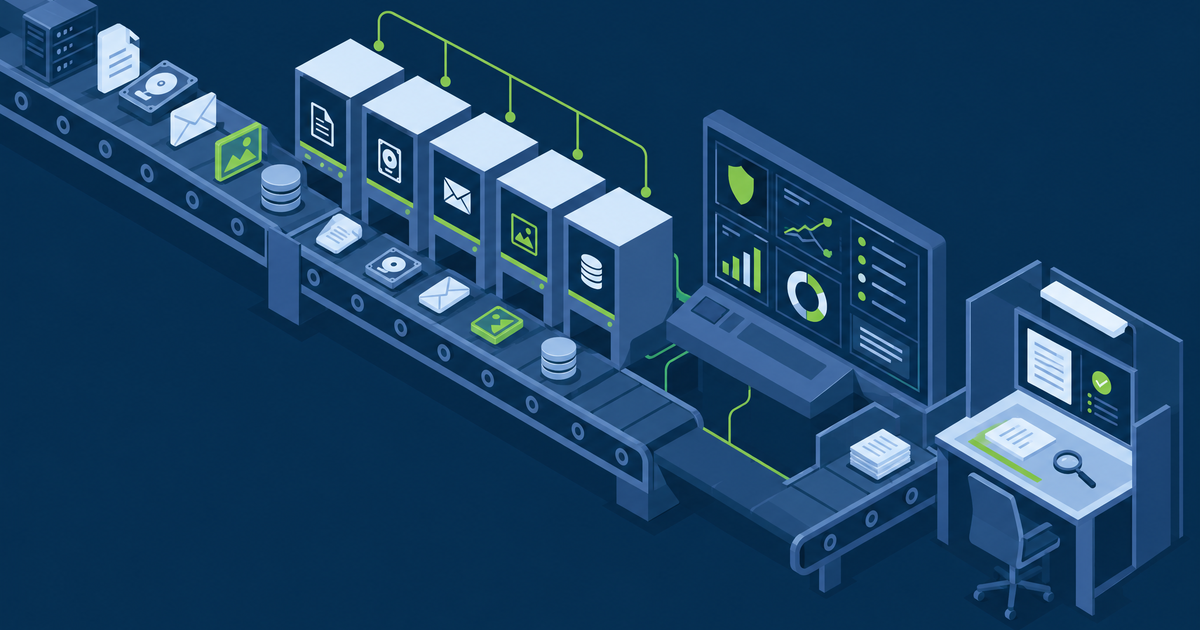
Compliance automation platforms connect to your cloud, identity provider, code repositories and device management, then continuously check configuration against control requirements and collect the evidence. For organisations pursuing SOC 2, ISO 27001 or several frameworks at once, they remove a large amount of genuinely tedious work.
They also create a specific failure mode: a dashboard that is entirely green while the organisation is not actually secure.
What they genuinely automate
The value is concentrated in continuous evidence collection. The alternative — someone taking screenshots quarterly, chasing owners for confirmations, and assembling it into a folder before an audit — consumes more staff time over three years than the subscription costs for most organisations.
Multi-framework mapping is the second real benefit. One control satisfying requirements across SOC 2, ISO 27001 and others, evidenced once, is a meaningful saving when you hold several certifications.
Where they stop
| The platform can | The platform cannot |
|---|---|
| Check MFA is enforced | Judge whether your access model is sensible |
| Confirm a policy exists and is acknowledged | Tell you the policy describes your actual practice |
| Verify encryption is enabled | Assess whether your key management is sound |
| Track that a risk assessment was uploaded | Perform the risk assessment |
| Show onboarding tasks completed | Know whether the training was understood |
| Evidence a vendor review happened | Evaluate whether the vendor is safe |
Every row on the right requires judgement. The platform measures the presence and configuration of controls, which is a genuine and useful thing, and is not the same as measuring whether you are secure. See the compliance checkbox problem.
Evaluating one
Integration coverage is the primary practical question. If it does not connect to your identity provider, cloud platform, device management and code repositories, evidence collection stays manual and the value collapses. Get a list of your actual systems and check them off, rather than accepting a claim of broad coverage.
Framework coverage, including the ones you will need in two years, not just the one in front of you.
Auditor acceptance. Ask which audit firms routinely accept evidence from the platform. Some auditors are comfortable working inside these tools; others will ask for evidence in their own format, which removes much of the benefit.
Pricing model, usually per employee, per framework, or both. Check what happens as you grow and as you add frameworks.
What happens on exit — can you export your evidence and your policies in a usable form?
The sequencing question
Buy the platform before or after readiness work? Generally after the gap assessment, before remediation.
Before the gap assessment you do not know what you need. After remediation you have already done the manual work. In between, the platform tells you which controls are failing as you fix them, and starts accumulating evidence from the beginning of your observation window — which matters for SOC 2 Type 2, where evidence must exist across the whole period.
The failure mode, stated plainly
An organisation with every check green, a completed policy set, and a certification — that has never tested a backup restore, never exercised its incident plan, and whose network is flat.
None of those three things is measured by a compliance platform, and all three determine what happens in a real incident. The platform is a tool for evidencing controls, not a security programme. Organisations that understand that get substantial value from one. Organisations that mistake the dashboard for the outcome buy an expensive false sense of safety.
Where to start
List your actual systems and check integration coverage against that list before looking at features. If the platform cannot reach the places your evidence lives, nothing else about it matters.
GuardsArm runs readiness and remediation alongside whichever platform you choose. See compliance auditing or book a scoping call.
Written by GuardsArm Team
Our team of cybersecurity experts brings decades of combined experience in penetration testing, compliance auditing, and incident response. We're dedicated to helping organizations strengthen their security posture.
Take the next step on this topic
Talk to the GuardsArm team about how these services apply to your environment.