Vulnerability Scanning vs Penetration Testing: Stop Buying the Wrong One
One is a continuous automated process you should already run. The other is a periodic human exercise. Buying either as a substitute for the other wastes the budget.
GuardsArm Team
Security Experts
These are complementary activities that get treated as alternatives, usually because a compliance requirement said one word and somebody bought the cheaper thing that could be described that way.
What each actually is
Vulnerability scanning is automated. A tool compares what it finds against a database of known issues — missing patches, outdated software, weak configuration, expired certificates — and reports matches. It runs in minutes to hours, covers everything you point it at, and should run continuously or at least weekly.
Penetration testing is a human exercise. A tester attempts to compromise systems the way an attacker would: chaining weaknesses, abusing logic, escalating privilege, moving laterally. It takes days to weeks, covers a defined scope, and happens periodically.
What each finds, and misses
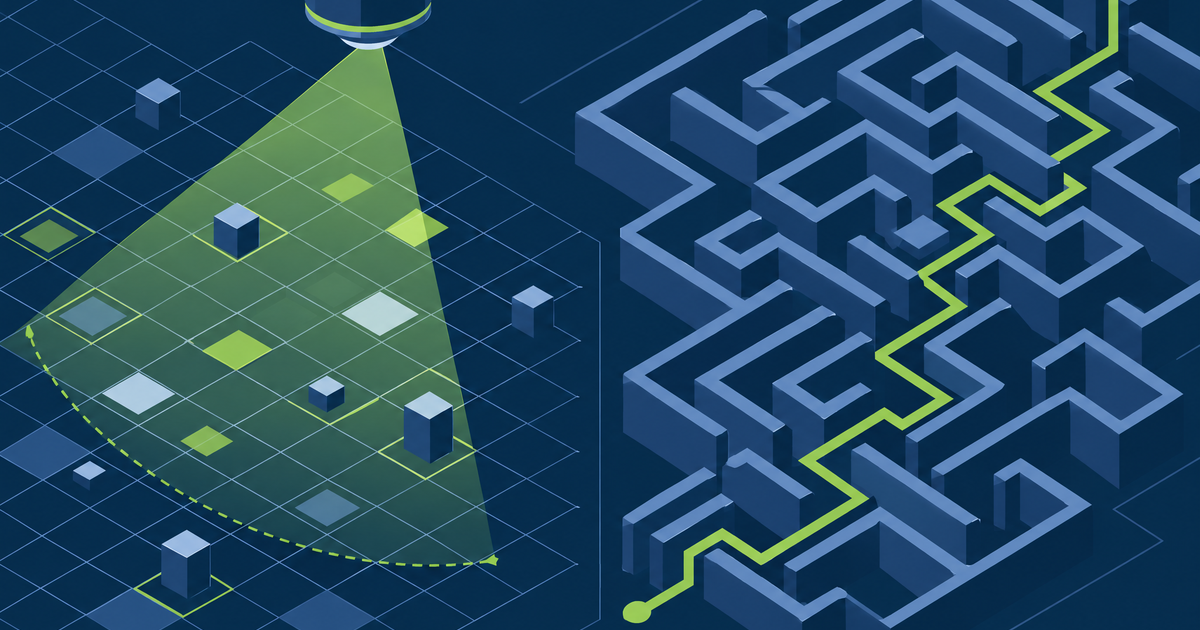
The right-hand column of that picture is the case for testing. Scanners identify known vulnerabilities in known software. They cannot identify that changing a customer identifier in a request returns someone else's records, because that requires understanding what the identifier means and what the application is for.
Equally, testing is a poor substitute for scanning. A test is a snapshot of a scope on particular dates. The patch released the following week is not in it. Continuous coverage is what scanning is for.
Side by side
| Vulnerability scanning | Penetration testing | |
|---|---|---|
| Method | Automated signature and configuration matching | Human, creative, goal-driven |
| Frequency | Continuous or weekly | Quarterly to annually |
| Coverage | Broad — everything in range | Deep — a defined scope |
| Duration | Minutes to hours | Days to weeks |
| Relative cost | Low, subscription | Higher, per engagement |
| False positives | Common; needs triage | Rare — findings are demonstrated |
| Finds chained attacks | No | Yes |
| Finds logic flaws | No | Yes |
| Finds a patch released today | Yes, next scan | Only if in scope during the test |
What compliance actually requires
This is where money gets wasted, because requirements are specific and get read loosely:
- PCI DSS requires both, with quarterly external scanning by an approved scanning vendor and periodic penetration testing. A scan does not satisfy the testing requirement or the reverse.
- HIPAA requires a risk analysis. It does not mandate either activity by name, though both commonly feature as reasonable safeguards. See HIPAA risk analysis.
- SOC 2 and ISO 27001 expect vulnerability management as a process. An auditor wants to see findings triaged, prioritised and remediated on a defined timeline — the process matters more than the tool.
- Customer questionnaires frequently ask for an annual penetration test specifically, and a scan report submitted in its place is usually noticed.
Getting the sequence right
Run scanning first and fix what it finds. Then buy testing.
The reason is economic: a tester who spends the first three days reporting missing patches your own scanner would have caught is expensive triage. Clear the known issues and you buy the tester's time for the things only a human finds — authorisation flaws, business logic, chained paths.
See what a penetration test costs and choosing a testing vendor.
Making scanning actually work
Most organisations that own a scanner are not getting value from it, for consistent reasons:
- Scanning only the perimeter. External scanning misses everything an attacker reaches after the first foothold. Authenticated internal scanning finds far more.
- Unauthenticated scans only. Credentialed scanning sees installed software versions and patch state properly; unauthenticated scanning guesses from banners.
- No triage process. A scanner produces more findings than anyone can fix. Without prioritisation by exploitability and exposure, the report is ignored.
- No remediation SLA. Findings need owners and deadlines by severity, or they accumulate indefinitely.
- Incomplete asset coverage. You scan what you know about. The forgotten server is the one that gets used.
See vulnerability management for how the process side of this is built.
A reasonable annual rhythm
For a mid-sized organisation with regulatory exposure:
| Activity | Frequency |
|---|---|
| Authenticated internal vulnerability scanning | Weekly, or continuous |
| External attack surface scanning | Weekly |
| Penetration test of internet-facing systems | Annually |
| Application test after significant change | Per major release |
| Internal network penetration test | Annually or every two years |
The per-release application test is the one most often missing, and it is where new authorisation flaws are introduced.
Where to start
If you have neither, start scanning — it is cheap, continuous and will find real issues in the first week. If you have scanning but have never had a test, and your scan findings are under control, a focused test on your most sensitive application is the higher-value next purchase.
GuardsArm provides both, and will say which one your situation calls for. See vulnerability management and security testing, or book a scoping call.
Written by GuardsArm Team
Our team of cybersecurity experts brings decades of combined experience in penetration testing, compliance auditing, and incident response. We're dedicated to helping organizations strengthen their security posture.
Take the next step on this topic
Talk to the GuardsArm team about how these services apply to your environment.